
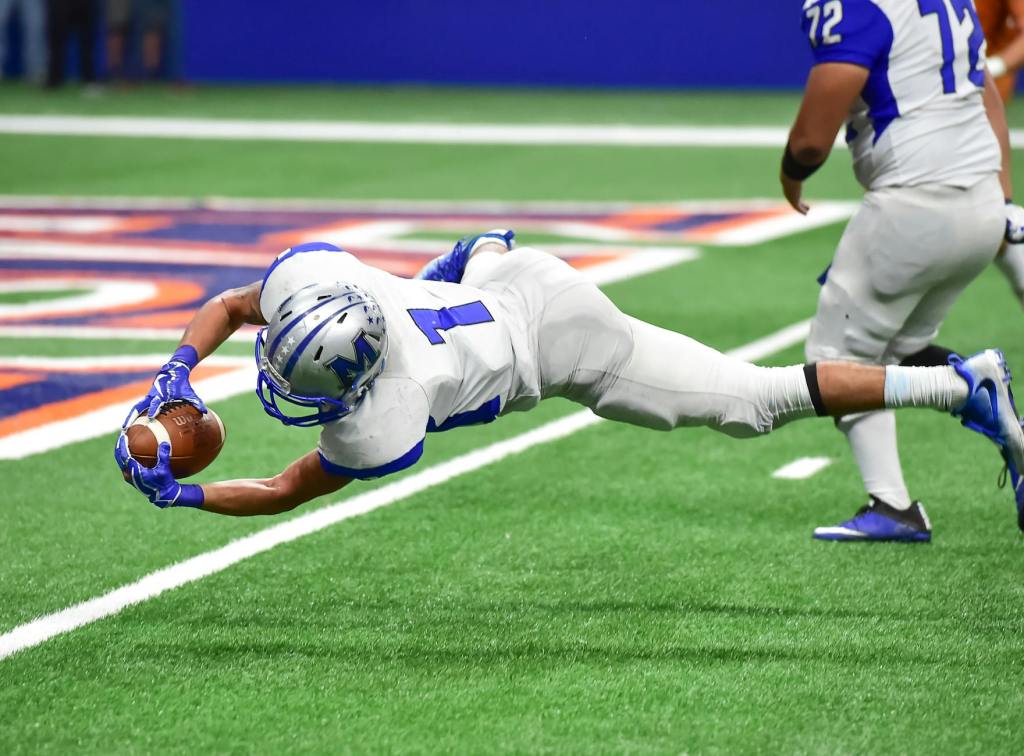
Every year, the United States welcomes talented athletes and coaches from the UK and around the world, who are able to take advantage of America’s world-class facilities and academic programmes..
For lots of athletes, the chance to train and compete in the U.S. is a dream. They’ll have access to incredible training facilities and a competitive athletic culture that they can thrive in.
Whether you’re just starting out or a seasoned pro, understanding the U.S. immigration options is essential for your journey to success.
Here are a few options that might be useful to your journey:
1. ESTA/B-1 visa
You can’t ‘work’ in the U.S. on an ESTA or B-1 visa, and athletes are considered workers just like everyone else.
Athletes may be able to compete in the United States on an ESTA as long as they are only eligible to receive prize money. That means they must not receive any payment just for participating in events, nor can they accept sponsorships within the U.S. An athlete who receives an appearance fee, whether they win or lose, is ineligible for a B-1 visa.
The Foreign Affairs Manual also mentions 3 categories of foreign athletes that can enter the U.S. using ESTA/a B-1 visa—individual professional athletes, athletes or team members who are a part of a foreign based team and amateur hockey player.
2. O-1 Visa
The O-1 visa is designed for individuals who have demonstrated extraordinary abilities or achievements in their fields, including sport.
To get an O-1A visa, you’ll generally need to show your eligibility under at least 3 of the 8 criteria (unless you’ve won an Olympic medal or similar, in which case you’re golden, perhaps literally). Note that some of these don’t particularly apply to those demonstrating sporting prowess, but may be possible to present ‘comparable evidence’. Speak to an immigration lawyer to discuss your eligibility.
1. Awards
- This requires ‘the beneficiary’s receipt of nationally or internationally recognized prizes or awards for excellence in the field of endeavor’. It doesn’t have to be at the Olympic or Nobel level!
2. Memberships
- Membership in associations that require outstanding achievements for membership, such as professional organizations with selective membership criteria.
3. Published Material About the Applicant
- Articles, reviews, or features in major media outlets, professional journals, or significant trade publications that highlight the applicant’s work and achievements.
4. Judging the Work of your Peers:
- Serving as a judge of the work of others in the same or a related field, either individually or as part of a panel, which demonstrates recognition by peers.
5. Original Scientific, Scholarly, or Business-Related Contributions:
- Evidence of original contributions of major significance to the field, such as pioneering research, innovative business strategies, or significant advancements in a particular area.
6. Authorship of Scholarly Articles:
- Publication of scholarly articles in professional journals or other major media in the field, showcasing the applicant’s expertise and contributions.
7. Employment in a Leading or Critical Role for a Distinguished Organization:
- Holding a leading or critical position for organizations or establishments with a distinguished reputation, indicating the applicant’s importance and influence within the field.
8. High Salary or Remuneration:
- Demonstrating that the applicant commands a high salary or other significantly high remuneration for services compared to others in the field, reflecting their exceptional ability.
If you want to take this route, you’ll need evidence of your extraordinary abilities. This evidence could include awards, international rankings, and media coverage that highlight their noteworthy contributions to sport.
Remember, athletes and coaches can’t apply for this visa on their own (‘self-petition’). They will need a U.S. petitioner (like a U.S. sports team, for example) to sponsor them.
O-2 Visas for Support Personnel
Support staff who are integral to an athlete’s performance may be eligible for an O-2 visa. They must have critical skills and experience with the athlete, which can’t be performed by anyone else.
O-3 for Spouses and Children
Spouses and children of O-1 athletes may be eligible for O-3 visas, allowing them to reside in the U.S. (but not work). These visas are valid for up to three years.
I’m a good athlete, but I’m not quite at the extraordinary ability level just yet! Is there another option for me?
Yes! You may qualify for the P-1A Visa.
3. P-1 Visa
The P-1 (or more specifically, the P-1A) visa is another option for athletes and their essential support personnel coming to the U.S. to perform temporarily at a particular athletic competition, either by themselves or as part of a team, at an ‘internationally recognized’ level of performance.
The P-1A classification applies to athletes going temporarily to the United States solely for the purpose of performing at a specific athletic competition as:
- An individual athlete at an internationally recognised level of performance;
- Part of a group or team at an internationally recognised level of performance;
- A professional athlete; or
- An athlete or coach, as part of a team or franchise that is located in the United States and a member of a foreign league or association.
It’s generally easier to obtain a P-1A visa than an O-1 visa, because the eligibility standard for the P-1 is lower.
P-1S Classification for Essential Support Personnel
Coaches, trainers, scouts, and other essential support personnel integral to the P-1A visa holder’s performance can also qualify for P-1S classification.
How long can I stay in the U.S. on a P-1 visa?
Normally, the P-1 visa’s validity corresponds to the duration of the athletic event or season. Extensions are available for subsequent events, competitions, or seasons.
The U.S. understands the nature of sporting careers very well, and the visa pathways reflect that. But it does mean that things can get a little complicated. That’s why we’re here to help!
Can my family come with me if I have a P-1 visa?
Yes! Family members (namely, spouses and unmarried children under 21) —can accompany the visa holder to the U.S. during their stay.
Please note that they won’t be able to work. But your children may attend school or university in the U.S.
Green Card Options for Athletes
The above are all ‘nonimmigrant’ visas—that is, temporary options that don’t provide a pathway to lawful permanent residence.
But talented athletes may qualify for green card options such as the EB-1A extraordinary ability (think of it like the green card equivalent of the O-1 visa) or other categories such as EB-2 NIW or EB-3 (PERM). Discuss with a lawyer if you want to explore these options.


Join the Conversation!
Excited to start a new life in the U.S. but unsure where to begin? Become a transatlanticist today for access to expert advice, exclusive discounts, and a community of friendly people who can help you cross the pond with confidence
 transatlanticists
You must be logged in to post a comment.